Species Recovery Programme awards multi-million-pound grants to projects across England, helping species like godwits, choughs and crayfish.
Posted: 15th September, 2023Yesterday (14 September), 63 native species projects have been granted a total of £14.5 million from Natural England in the Species Recovery Programme Grant Scheme. Some of England’s most threatened species, from butterflies to bats, will be supported by these massive grants.
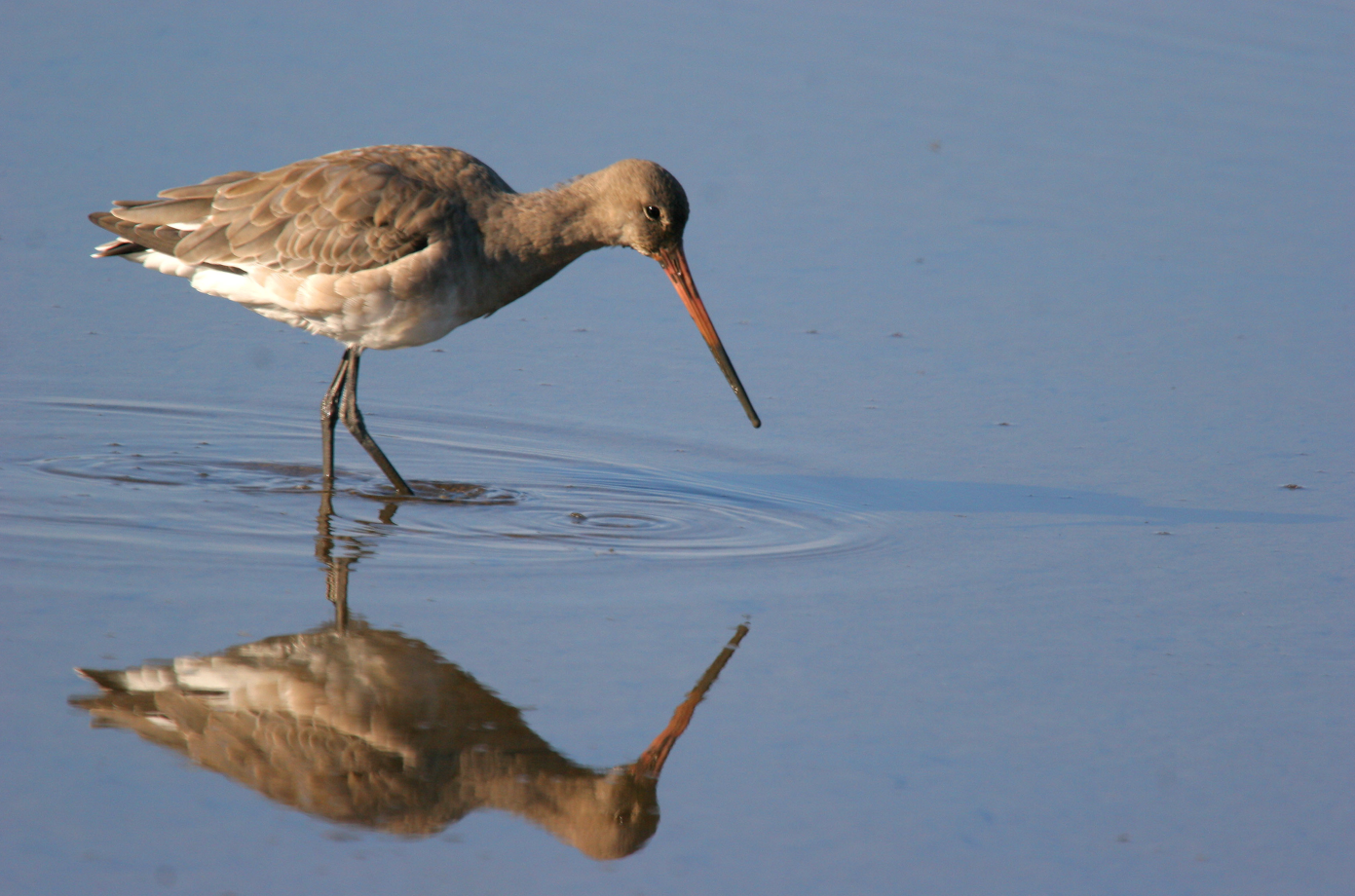
Among the organisations awarded grants are the Wildfowl and Wetlands Trust (WWT) for their ‘Godwit Futures’ project on the Black-tailed godwit. This project will establish their future with captive breeding populations, which will then be used to supply these birds for translocation. WWT will rear and release twenty godwit fledglings in 2024.
Wildwood Trust was awarded two grants – one for their ‘Kentish Cough Reintroduction’ and another for ‘Saving Devon’s Native Crayfish.’ Returning choughs to the wild in Kent is the accumulation of over four decades of work and a population of 20-35 choughs are planned to be released to re-establish the core population.
The white-clawed crayfish project aims to safeguard the survival of this species which has suffered as a result of invasive species. Wildwood Trust are creating a sustainable hatchery to house their captive breeding programme – including the construction of a new protected ark site, and a public education display at Wildwood Devon.
We can’t wait to see these projects, among the others, come into fruition for the support and awareness of our precious native species.
Related Members
-
News
.png?w=100&h=100&zc=1&f=jpeg&hash=d8c1f53f2c350a047de7b916ca514ca3) BIAZA Photo Competition 2026 - the winners! 13th August, 2026The wait is over! BIAZA (The British and Irish Association of Zoos and Aquariums) has announced the winners of its annual photo competition, highlighting…
BIAZA Photo Competition 2026 - the winners! 13th August, 2026The wait is over! BIAZA (The British and Irish Association of Zoos and Aquariums) has announced the winners of its annual photo competition, highlighting… -
News
.png?w=100&h=100&zc=1&f=jpeg&hash=326487f1d57ac0eab876b8e79d153670) Accessibility on a Budget: what we've learned at Shaldon Wildlife Trust 11th August, 2026As the zoo which won the 2026 BIAZA Accessibility in Action Award (in partnership with Agility Marketing) Shaldon Wildlife Trust’s Anna Cowen-Hubbard…
Accessibility on a Budget: what we've learned at Shaldon Wildlife Trust 11th August, 2026As the zoo which won the 2026 BIAZA Accessibility in Action Award (in partnership with Agility Marketing) Shaldon Wildlife Trust’s Anna Cowen-Hubbard… -
News
.png?w=100&h=100&zc=1&f=jpeg&hash=b980abd5e6f56a95d9119ccc5a64b796) Thriving Together: Animal Welfare Assessment Across BIAZA Organisations 6th August, 2026In this week's blog, the BIAZA Animal Welfare Working Group details how welfare assessments benefit not only the animal, but staff and organisations…
Thriving Together: Animal Welfare Assessment Across BIAZA Organisations 6th August, 2026In this week's blog, the BIAZA Animal Welfare Working Group details how welfare assessments benefit not only the animal, but staff and organisations…