One of Britain’s rarest rodents gets a helping hand from Paignton Zoo
Posted: 20th June, 2024Paignton Zoo is part of a nationwide programme helping to reintroduce rare hazel dormice into the countryside. Once common across England and Wales, hazel dormice are now considered rare and at risk of extinction due to loss, degradation and poor management of woodland and hedgerow habitats, compounded by climate change.
These tiny rodents, which have golden fur and a fluffy tail, are native to the British Isles, but have become extinct in many areas. According to the State of Britain’s Dormice 2023 report, published by People’s Trust for Endangered Species (PTES), populations have plummeted nationally by 70% since 2000, and continue to decline.
However, since 1993, annual reintroductions (which are part of Natural England’s Species Recovery Programme) have taken place to try and combat this. Led by People’s Trust for Endangered Species, a unique partnership of organisations including Paignton Zoo, ZSL and the Common Dormouse Captive Breeders Group including Wildwood Trust, has reintroduced more than 1,000 dormice into 25 different woodlands in 13 counties. This year, Forestry England, The Greensand Trust and Natural England are also involved.
The reintroduction programme involves selecting suitable release sites, carefully breeding genetically-diverse groups of dormice, monitoring their progress and interaction with any wild populations once they’ve been released, and ongoing management to the habitat at the release sites to ensure the populations’ long-term survival.
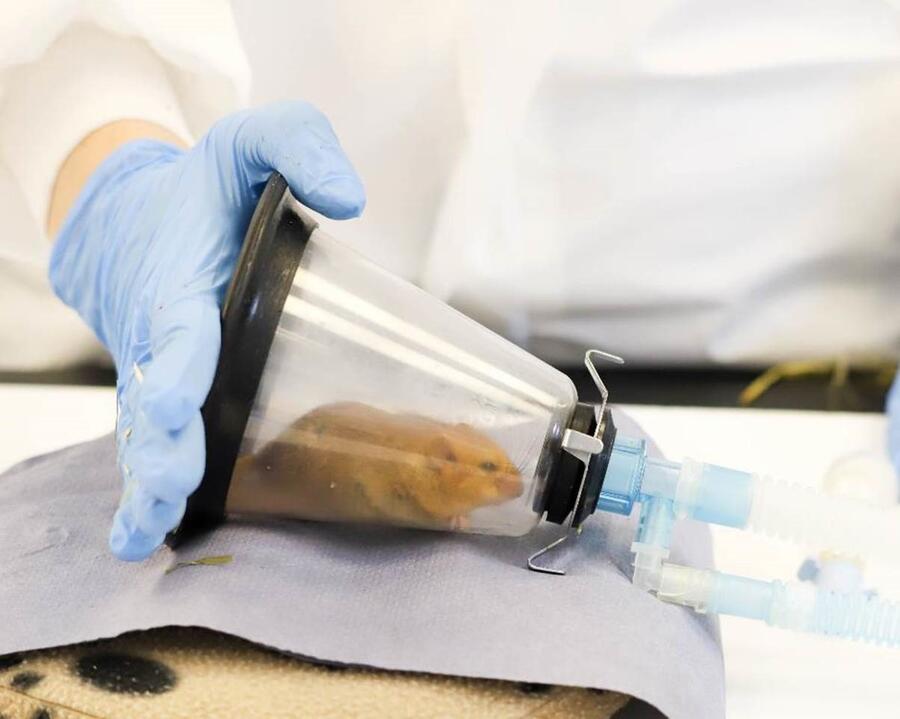
Paignton Zoo plays a crucial role in PTES’ programme. Once old enough, a number of dormice are transported to Paignton for a quarantine period of around eight weeks before they can be reintroduced. During this time, the zoo’s vet team will carry out health checks, including frequent weigh-ins, to make sure only healthy dormice are released into the wild. They will also test for parasites and diseases that could affect any wild populations.
Ryan Page, Veterinary Practice Manager at Paignton Zoo, said: “Since this programme began, we’ve been able to release hundreds of hazel dormice into the countryside, helping to boost populations and increase the genetic diversity of this wonderful species. We can’t wait to see how they do in the wild.”
After a successful quarantine period, this year the dormice will be released into two undisclosed woodland locations in June by PTES and partners.
Paignton Zoo is part of Wild Planet Trust, a conservation charity that helps to halt species decline both here in the UK and abroad. As well as running Paignton Zoo, it also owns Newquay Zoo and three nature reserves. The Trust also carries out a range of international conservation projects, supporting a diverse array of species, from tiny amphibians to forest elephants.
For more information on Wild Planet Trust and its conservation work, go to: www.wildplanettrust.org.uk
Related Members
-
News
.png?w=100&h=100&zc=1&f=jpeg&hash=b980abd5e6f56a95d9119ccc5a64b796) Thriving Together: Animal Welfare Assessment Across BIAZA Organisations 6th August, 2026In this week's blog, the BIAZA Animal Welfare Working Group details how welfare assessments benefit not only the animal, but staff and organisations…
Thriving Together: Animal Welfare Assessment Across BIAZA Organisations 6th August, 2026In this week's blog, the BIAZA Animal Welfare Working Group details how welfare assessments benefit not only the animal, but staff and organisations… -
News
 BIAZA calls for native species projects for Great British Wildlife Restoration 3rd August, 20263 August 2026 The Great British Wildlife Restoration Awards by the British and Irish Association of Zoos and Aquariums (BIAZA) is looking for Britain’s…
 -
News
.png?w=100&h=100&zc=1&f=jpeg&hash=eb7aeb58df1e2020f5831fab9bcbd3c4) Blog: Building Inclusion through Irish Sign Language at Dublin Zoo 30th July, 2026Amy Horace (Customer Service Supervisor, Dublin Zoo) on implementing ISL in the zoo, and how sign language schemes can benefit the the wider BIAZA community:…
Blog: Building Inclusion through Irish Sign Language at Dublin Zoo 30th July, 2026Amy Horace (Customer Service Supervisor, Dublin Zoo) on implementing ISL in the zoo, and how sign language schemes can benefit the the wider BIAZA community:…